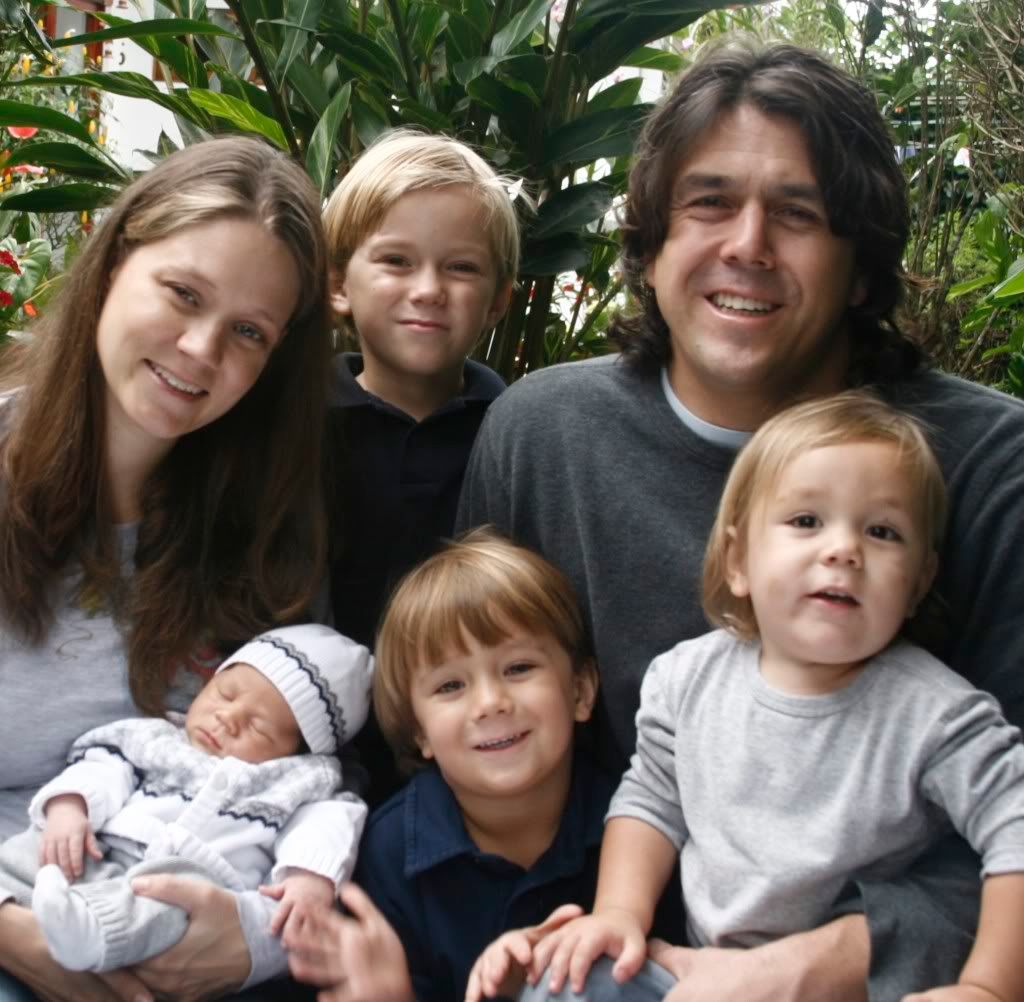
Something clicked on Friday when he looked up at me and grabbed his head, "My brain is getting too fat," he said. "It's too filled up than it's supposed to be."
I really had to pause and just listen to those words, to really grasp what he was trying to communicate to me. It was a description of a painful situation for him. It's time to re-evaluate what I'm doing and make changes.
I spent time this weekend reading through some of my books and exploring articles and blog posts about math. And crying some, too, just feeling bad about how things are going.
Here's a few quotes and thoughts and things I'm thinking through.
These are from The Successful Homeschool Family Handbook

"Your curriculum should be tailored to your child and provide him much more time to pursue his interests than your workbooks. For many parents a good curriculum provides feelings of security. But parents need to learn how children develop and learn."
"Why struggle with and push our children to learn something when they don't want to? 'To everything there is a season,' wrote King Solomon. The wise parent, we have discovered, patiently waits for 'springtime' and 'harvest' rather than forcing something prematurely. When we find ourselves pushing, we back off and try a new tack."
And from The Three R's
 by Ruth Beechick
"Practically every item in the first grade curriculum can be taught using real-life methods. In fact, they are better taught in real life, including games, than in daily sit-down arithmetic lessons. ...As a homeschool teacher you do not need a workbook and daily written assignments such as a classroom teacher might use. Your one-on-one teaching can accomplish more. But if your child likes it, occasional use of a workbook is all right."
And this really interesting article: Kids Learn Math Easily When They Control Their Own Learning
And this one: Just Do the Math
As I'm reading all this Ezzy and Jude begin to argue over some toy monkeys. They each want the set of three monkeys. So Kai says, "Well, if we had 6 monkeys they could each have three." The Ezzy says,
"What if Koa wanted three too?"
"Then we would need 9."
"And what if mommy wanted three?"
"12."
And they went all the way up to 21 calculating if our whole family and God each wanted three monkeys. Kai said each answer without missing a beat. I looked at him in wonder. If I had written 9 + 3 = on a piece of paper and asked him to solve it, he could do it but he would agonize over it. But here in a real life situation that was interesting for him it was very easy.
This is what Ruth Beechick talks about when she says, "Don't throw away your opportunity by imitating school too closely. Use real life for teaching."
"...use real-life situations to teach bits of arithmetic and to build a 'need' to know arithmetic."
"Most arithmetic should be mental. It happens in conversation, not in written assignments."
The last thing I want to do is kill his curiosity and spirit of adventure and joy in learning through a series of workbooks which are ineffective.